 Locations
 Schedule Now
 (480) 245-4995
The Top Benefits of Mesa Acupuncture Treatments
By BodyWorkz Team
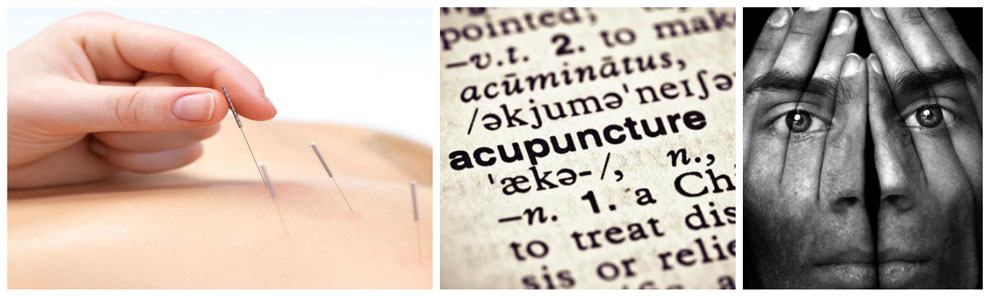
Acupuncture is a complementary health approach that some people explore when pain or recurring symptoms are affecting daily life. If you are considering acupuncture in Mesa, it helps to know what the treatment involves, what research does—and does not—support, and how to make an informed decision with your healthcare team.
Important: This article is for general education and is not a diagnosis or a substitute for medical advice. For new, severe, or concerning symptoms, seek appropriate medical care.
Potential Benefits at a Glance
For some people managing certain chronic pain concerns, acupuncture may be a complementary option to discuss with a qualified healthcare professional. Research is most supportive for:
- chronic low-back or neck pain,
- knee pain related to osteoarthritis, and
- some headache conditions.
These potential benefits vary by condition and individual response; acupuncture is not a guaranteed solution.
What Is Acupuncture?
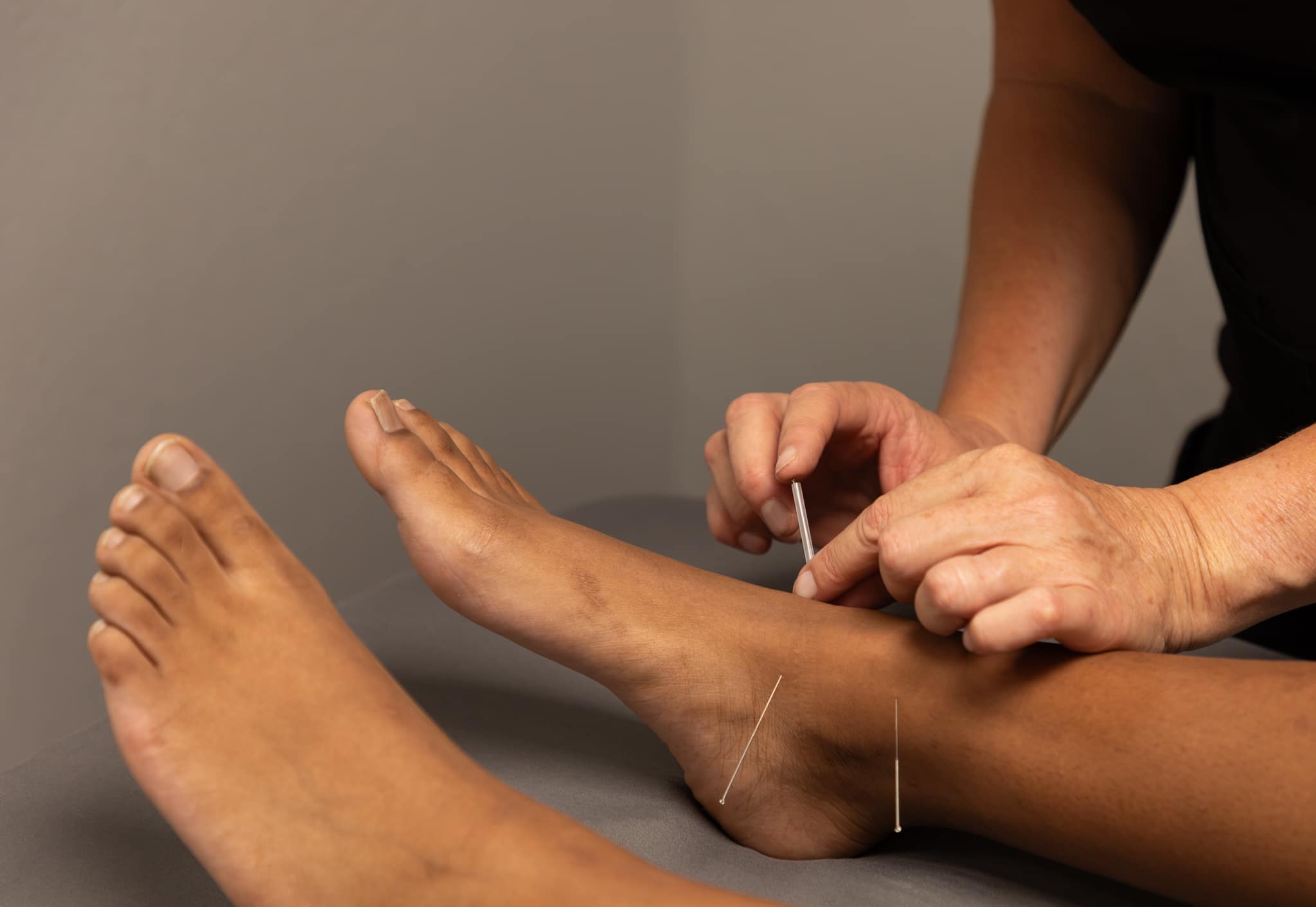
Acupuncture involves stimulating specific points on the body, most often with very thin needles. A qualified practitioner may use manual stimulation or other approaches such as electrical stimulation. The National Center for Complementary and Integrative Health (NCCIH) explains that researchers continue to study how acupuncture works and which conditions may respond best.
What Research Suggests About Acupuncture
Research indicates acupuncture may help some people with certain pain conditions, including chronic low-back or neck pain, knee pain related to osteoarthritis, and some headache conditions. Results vary by diagnosis, the individual, and the treatment plan, so it is best viewed as one possible part of a broader, personalized care plan—not a guarantee of relief.
What the Evidence Does—and Does Not—Show
In a large individual-patient-data meta-analysis of randomized trials, acupuncture outperformed both sham acupuncture and no-acupuncture control groups for several chronic pain conditions. The difference compared with sham treatment was smaller than the difference compared with no acupuncture, which is a useful reminder that pain care can involve more than one factor. For readers, the practical takeaway is simple: acupuncture may be a reasonable option to discuss for certain chronic pain concerns, but it is not a cure and results are not the same for everyone. Read the 2018 meta-analysis on PubMed.
How Acupuncture May Fit Into a Care Plan
For some patients, acupuncture is used alongside clinician-recommended care, movement or exercise programs, physical therapy, and other appropriate treatments. A thoughtful plan begins with a conversation about your symptoms, medical history, current medications, and goals. It should never delay evaluation for symptoms that need medical attention.
Safety and Choosing a Qualified Practitioner
When acupuncture is performed properly using sterile, single-use needles, it is generally considered safe. As with any procedure, risks are possible. The NCCIH notes that improper delivery or nonsterile needles can lead to complications, including infection or injury. Before your visit, share relevant health conditions, medications, and questions with your provider. Ask about the practitioner’s training, the expected approach, and when to involve your primary-care clinician or specialist.
- Confirm that sterile, single-use needles are used.
- Discuss medications, bleeding concerns, pregnancy, implanted devices, and other relevant health history.
- Ask what you can reasonably expect and how progress will be evaluated.
- Seek prompt medical care for new, severe, or worsening symptoms.
What to Expect at a First Visit
A first appointment often includes a discussion of your health history, the symptoms you want to address, and your goals for care. You should have an opportunity to ask questions, understand the proposed treatment, and decide whether it feels appropriate for you. Clear communication and informed consent matter at every visit.
Frequently Asked Questions
Does acupuncture hurt?
Sensations vary. Some people notice little more than a brief sensation when a needle is placed, while others may feel pressure, warmth, or tingling. Tell the practitioner if anything feels uncomfortable.
How many acupuncture visits will I need?
There is no one-size-fits-all answer. The appropriate number and timing of visits depend on the condition being addressed, your health history, and how you respond. A qualified practitioner should discuss a plan without promising a specific outcome.
Can acupuncture replace medical care?
No. Acupuncture should not replace emergency care, medical diagnosis, or treatment recommended for a serious condition. It may be considered as a complementary option after discussing it with the appropriate healthcare professional.
What should I ask before scheduling?
Ask about the practitioner’s qualifications, the proposed approach, likely costs, how safety is handled, and whether acupuncture is suitable alongside your current care.
A Local Patient Perspective
One BodyWorkz reviewer shared, “I’ve had chiropractic, massage, and acupuncture from this office. I’m happy with all services.” Read more BodyWorkz reviews.
Explore Acupuncture Care at BodyWorkz
If you would like to learn more, explore our acupuncture services, review pricing, or contact BodyWorkz to ask about scheduling.
Sources and Further Reading

BodyWorkz
Email: [email protected]
Website: www.mybodyworkz.com
Mesa Location
6610 E Baseline Rd #103
Mesa, AZ 85206
Phone: 480-245-4995