Locations
 Schedule Now
 (480) 245-4995

Can A Chiropractor Help With Post-Surgery Recovery?
By Dr. Janeen Wallace
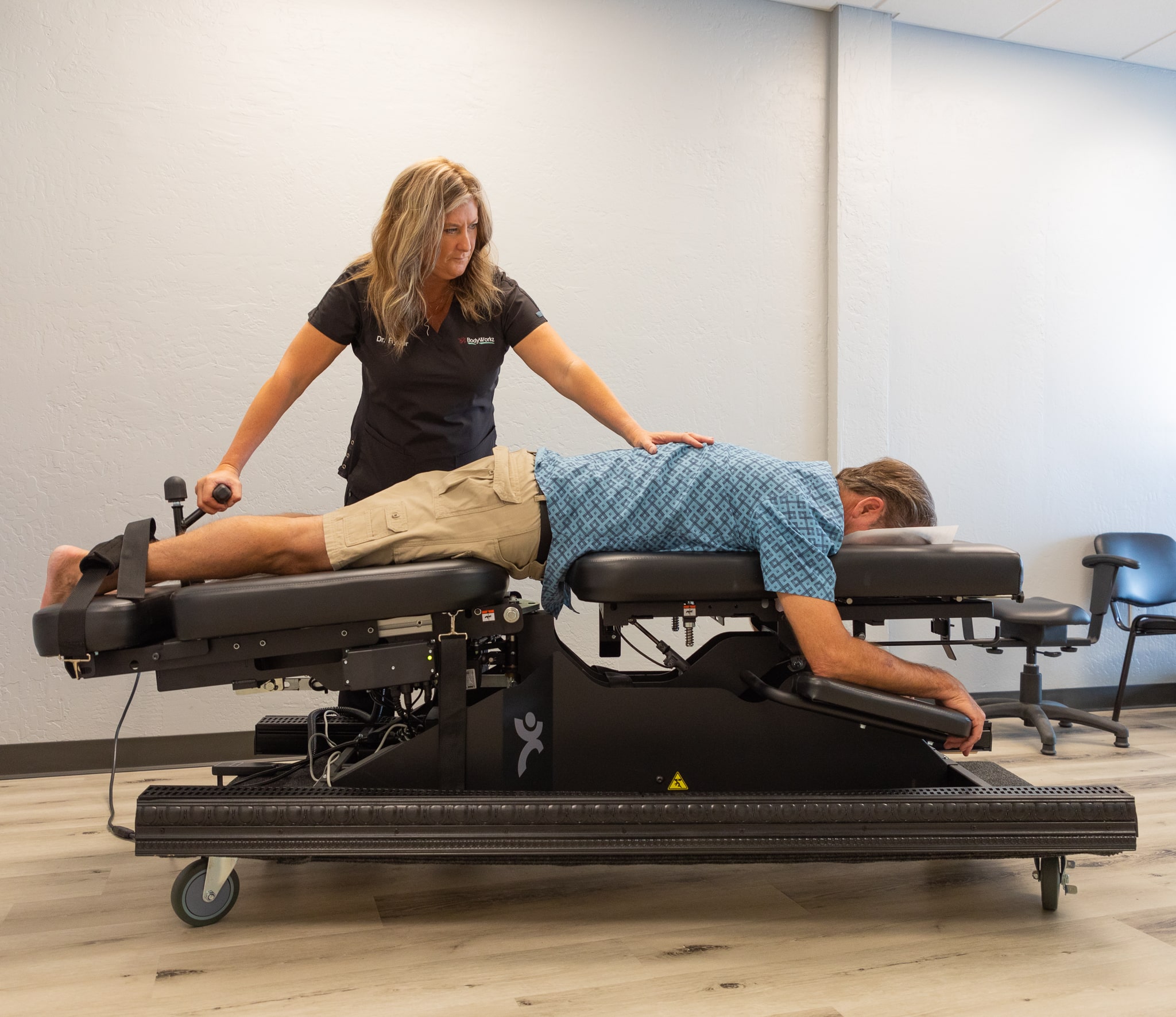
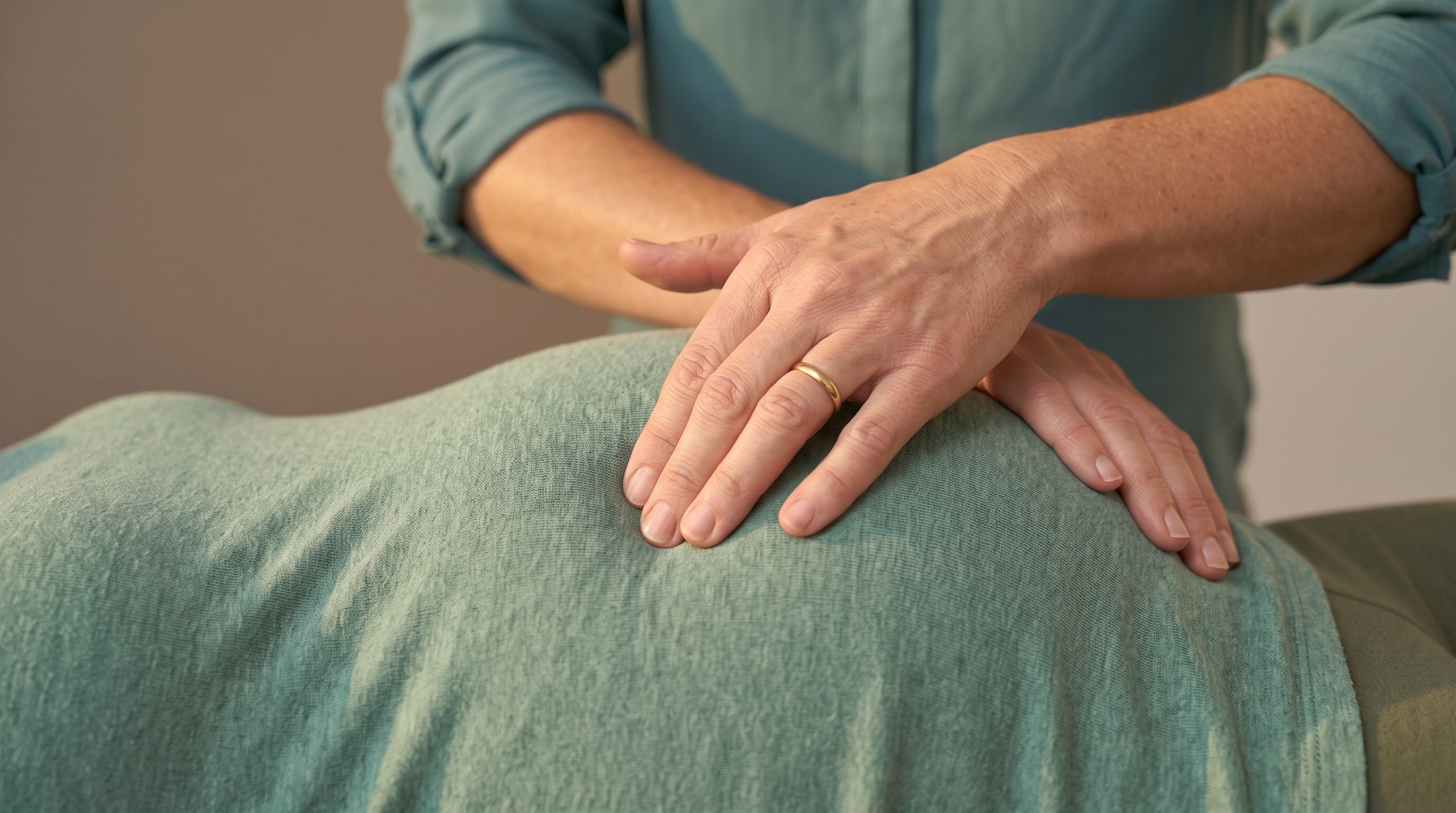
When a patient comes to BodyWorkz after surgery, the first thing I do is slow the process down. I want to know what procedure was performed, how healing is progressing, and what the surgeon and physical therapist have allowed.
Before scheduling hands-on treatment, ask your surgeon whether chiropractic, massage, or acupuncture is appropriate and whether any movements or positions are restricted. Bring those instructions with you. Post-surgical care should support your surgical follow-up, medication plan, and physical therapy. It doesn’t replace any of them.
Spine surgery needs the most caution because fusion, hardware, and nerve symptoms change what can be done safely. Knee, hip, and shoulder procedures have different restrictions.
If chiropractic treatment is not the right next step, I will tell you. Sometimes the best first visit is a records review, a conversation, and a referral back to the surgeon.
When Can You See A Chiropractor After Surgery?
There isn’t one waiting period that fits every surgery. The operation, the surgical approach, the incision, implanted hardware, complications, and your surgeon’s rehabilitation plan all affect timing.
Timing depends on the procedure and your surgeon’s plan. Here are the precautions I review for several common surgeries. “Per surgeon” is intentional because research does not support one chiropractic start date for every patient.
Microdiscectomy
Timing: Per surgeon
Main precautions: Protect the healing area; follow limits on bending, lifting, and twisting; monitor leg pain, weakness, or numbness.
Laminectomy
Timing: Per surgeon
Main precautions: Avoid stressing the incision or recently decompressed area; follow activity and lifting restrictions.
Spinal fusion
Timing: Per surgeon and only after the fusion and hardware have been reviewed
Main precautions: Do not manipulate the fused segment. Disclose screws, rods, plates, grafts, and other implants.
Knee or hip replacement
Timing: Per surgeon
Main precautions: Follow weight-bearing, movement, and position precautions. Avoid force through the replaced joint.
Rotator cuff repair
Timing: Per surgeon and rehabilitation phase
Main precautions: Respect sling use and limits on passive motion, active motion, lifting, and overhead activity.
The American Academy of Orthopaedic Surgeons notes that recovery after joint replacement differs for each person and that the doctor or therapist determines weight-bearing and activity limits. Its patient guides also explain why rehabilitation is central after a rotator cuff injury. Review the AAOS joint-replacement recovery guide and AAOS rotator cuff guide.
What Your First Post-Surgery Visit Looks Like
My first goal is to understand the surgery, not to perform an adjustment. I review the operative report, imaging, discharge instructions, current symptoms, and rehabilitation plan. I also ask what movements feel limited and what your surgeon or therapist wants you to avoid.
The examination is adapted to your recovery stage. It can include posture, walking, gentle range-of-motion checks, muscle tension, and a basic neurologic screen. I won’t test the healing area aggressively.
What To Bring
- Your operative report and discharge instructions
- Written restrictions or clearance from the surgeon
- Recent X-ray, MRI, or CT reports
- A list of medications and current symptoms
- Your physical therapy or home-exercise plan
- Details about plates, screws, rods, artificial discs, joint replacements, anchors, grafts, or other implants
If your records are incomplete or your symptoms raise a concern, treatment can wait. I can coordinate questions with your surgeon or physical therapist before we decide what belongs in your plan.
What Gentle Chiropractic Care May Look Like After Surgery
Why Other Areas May Feel Stiff
After surgery, people often protect one area and overload another. A patient recovering from low-back surgery may become stiff through the hips or upper back. Someone using a walker may feel tight through the shoulders.
Depending on the restrictions, I may use supported positioning, gentle joint mobilization, or a low-force handheld adjusting instrument in an area that is safe to treat. Patients usually feel light pressure or a small, controlled movement. I do not use high-force twisting near the surgical site.
Muscle Guarding Around A Healing Area
Muscles often tighten around a painful or protected area. Gentle soft-tissue pressure, myofascial work, and changes in positioning may ease that tension without pressing on an incision or newly repaired tissue.
Everyday Movements That Often Feel Difficult
I ask about the movements patients repeat all day: getting out of bed, standing from a chair, sitting, and using stairs. The goal is to make those movements more comfortable without crossing the limits set by the rehabilitation team.
Your surgeon and physical therapist direct the procedure-specific rehabilitation and strengthening plan. Chiropractic care has a narrower role. It addresses selected musculoskeletal problems outside the healing area while everyone follows the same restrictions.
Spinal Fusion And Hardware Change The Plan
A fused spinal segment is designed not to move. I don’t treat it like a normally moving joint. When conservative care is appropriate, the focus can be on supported positioning, surrounding muscles, and areas above or below the fusion.
Hardware disclosure matters even when the incision looks healed. Screws, rods, plates, artificial discs, and bone grafts can change which positions and techniques are appropriate. Persistent or returning leg symptoms also deserve careful evaluation.
If disc or nerve symptoms are part of the picture, read about disc pain and chiropractic care in Mesa.
What About Knee, Hip, And Shoulder Surgery?
Knee Or Hip Replacement
After a knee or hip replacement, the replaced joint and its early weight-bearing or position limits take priority. I avoid force through the new joint. Conservative care can instead focus on areas that become sore from using a walker, altered walking, or spending more time sitting.
Your physical therapist directs joint-specific mobility and strengthening. At BodyWorkz, I focus on comfort around that plan. Learn more about our approaches to knee pain and hip pain relief in Mesa.
Shoulder Or Rotator Cuff Repair
After rotator cuff repair, the tendon needs protection while it heals. Early care should not pull on the repaired shoulder, challenge sling instructions, or add overhead and resisted movement before the rehabilitation plan allows it.
Later in recovery, care may focus on comfortable positioning and tension in the neck, upper back, or opposite shoulder. See our pages on rotator cuff care and shoulder pain in Mesa.
Massage And Acupuncture After Surgery
BodyWorkz offers chiropractic, massage, and acupuncture under one roof for patients in Mesa and the East Valley. With all three services in the same Mesa office, it’s easier to keep the plan consistent.
Massage Therapy
After the incision has fully closed and the surgical team allows it, massage can address muscle guarding and soft-tissue tension away from the healing tissue. Scar mobility work should wait until the wound is fully healed and the surgeon says direct work is appropriate. I do not promise that massage will “break up” scar tissue.
Learn about massage therapy at BodyWorkz in Mesa.
Acupuncture
Acupuncture may help with post-op pain once it fits the surgeon’s plan. A systematic review and meta-analysis found that certain acupuncture-related approaches reduced pain and opioid use on the first day after surgery, but results varied by technique. That evidence does not prove that acupuncture speeds tissue healing or replaces standard pain care.
Read the systematic review of acupuncture for postoperative pain and learn about Mesa acupuncture at BodyWorkz.
The Evidence Is Useful, But Limited
The 2021 review of manual therapy after lumbar surgery found moderate evidence to recommend neural mobilization and myofascial release after lumbar fusion. It found insufficient evidence to recommend for or against most other manual therapies after most surgical procedures.
A 2023 systematic review found that supervised exercise after lumbar disc herniation surgery improved short-term pain and disability compared with unsupervised exercise or advice. The authors rated the evidence very low to low quality and found few trials for lumbar stenosis and spondylolisthesis. Structured rehabilitation can help, but the best program and timing still depend on the procedure.
Read the 2021 manual-therapy review and the 2023 rehabilitation review.
When To Call Your Surgeon Instead
Get medical guidance before beginning conservative care, and contact your surgical team promptly if you develop:
- Increasing weakness, numbness, or loss of coordination
- Loss of bladder or bowel control
- Fever, chills, drainage, redness, or swelling around the incision
- Severe pain that is getting worse instead of gradually improving
- Chest pain, shortness of breath, or calf swelling
- A fall, new injury, or sudden change in symptoms
These symptoms need medical assessment, not an adjustment, massage, or acupuncture appointment.
Frequently Asked Questions
Can A Chiropractor Adjust Me After Spinal Fusion?
The fused segment should not be manipulated as though it were a moving joint. After the surgeon has reviewed healing, a chiropractor can determine whether gentle care to surrounding muscles or other regions is appropriate.
How Long After Back Surgery Can I See A Chiropractor?
There is no universal number of days or weeks. The surgeon decides based on the procedure, incision healing, neurologic symptoms, hardware, and your recovery progress. Your first visit can be a records review and conversation without treatment.
Is Chiropractic Safe After Knee Or Hip Replacement?
It can be considered once the surgeon’s precautions are clear. Treatment should not place force through the replaced joint or conflict with weight-bearing and position limits. Care often focuses on other areas strained by altered walking or assistive devices.
Should I See A Chiropractor Or A Physical Therapist After Surgery, Or Both?
Physical therapy usually directs procedure-specific rehabilitation, mobility, and strengthening. Chiropractic care can address selected musculoskeletal problems outside the healing area. When both are involved, the providers should follow the same surgical restrictions and communicate about goals.
Can Massage Help With Scar Tissue After Surgery?
Massage can address surrounding muscle tension. Direct scar work should wait until the incision is fully healed and the surgeon has approved it. Results vary, and massage should not be presented as a way to remove scar tissue.
Will Insurance Cover Post-Surgical Chiropractic Care?
Coverage depends on the plan, medical necessity rules, and available benefits. BodyWorkz accepts most insurance plans and Medicare, and also lists self-pay options. Contact the office to verify your specific coverage and review our pricing information.
What BodyWorkz Patients Say
These are individual Google reviewers’ experiences, not a promise that another patient will get the same result. They do not replace advice from your surgeon or rehabilitation team.
“Like many long-distance runners, I had lower back problems that resulted in L5-S1 disc surgery over 20 years ago. The surgery fixed my disc, but didn’t fix the numbness and mobility issues in my leg and foot. … With only a few sessions I have regained a substantial amount of feeling and movement in my leg and foot.”
Doug Tessendorf
Read the full review on Google

“Dr Wallace did thorough exam and provided a treatment plan for my stenosis. I’ve had amazing results. Jennifer does a great massage and has helped tremendously.”
Joanna Wulf
Read the full review on Google
“I’ve been a patient of Dr. Wallace for 8 years, and I would absolutely recommend Bodyworkz for chiropractic, massage, and acupuncture.”
Jillian Owens
Read the full review on Google
Start With Your Records And A Conversation
Post-surgical care should be specific to your procedure. My job is to review the records, listen to what has changed, and decide whether conservative care belongs in the plan.
At BodyWorkz, the first appointment starts with a conversation and a review of your records. If care is appropriate, we can coordinate with your surgeon or physical therapist and use chiropractic, massage, or acupuncture in the same Mesa office.
Bring your operative report, written restrictions, and current therapy plan. Request an appointment with BodyWorkz to talk through the next step.
This article is for general educational purposes and is not a substitute for advice from your surgeon or another qualified healthcare professional.

About The Author
Dr. Janeen Wallace, D.C.
Dr. Janeen Wallace founded BodyWorkz in Mesa in 2014 after years of teaching and practicing chiropractic care. She graduated cum laude from New York Chiropractic College in 1997, later taught there full time, and has presented papers to chiropractic peers across the United States and Canada.
Dr. Wallace is state licensed in chiropractic and state certified in acupuncture. Her recommendations may include chiropractic, acupuncture, massage therapy, home care, or a referral when another provider is the better next step.
Related Posts

BodyWorkz
Email: [email protected]
Website: www.mybodyworkz.com
Mesa Location
6610 E Baseline Rd #103
Mesa, AZ 85206
Phone: 480-245-4995